Listen


 Facebook
 Nextdoor
 X
 WhatsApp
 Email
 Copy link

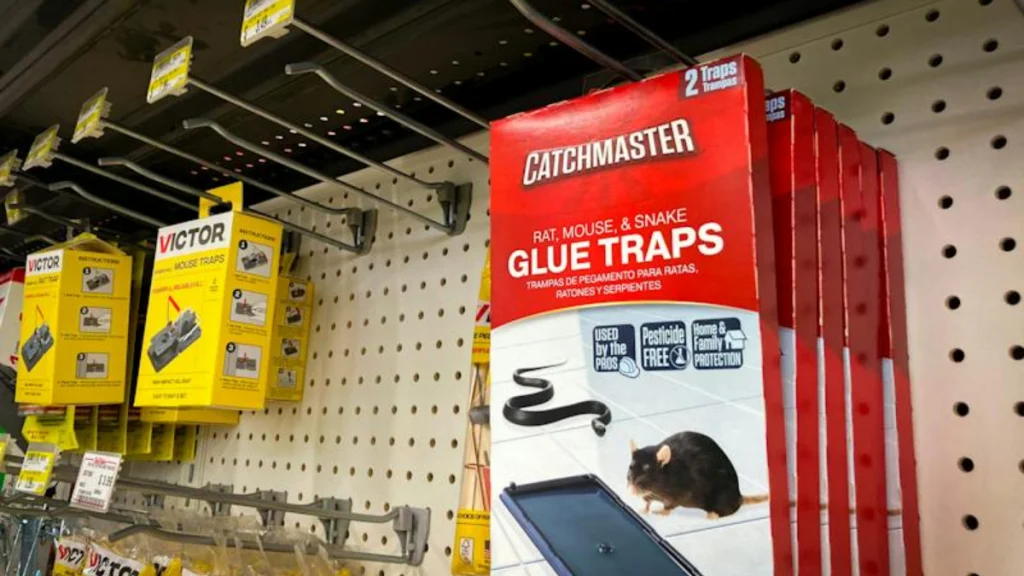
Albuquerque banned glue traps Nov. 16, the Daily Lobo reported. The City Council voted unanimously to ban their use and sale over animal cruelty concerns.
The ordinance, O-26-62, amends the city’s Humane and Ethical Animal Rules and Treatment Ordinance. It also bars glue and insect adhesive traps at city facilities, according to the Daily Lobo. City Councilors Tammy Fiebelkorn and Stephanie Telles sponsored the measure.
It went to the mayor for his signature on Nov. 18, the Daily Lobo reported.
What was decided
- The City Council voted unanimously on Nov. 16 to ban glue traps in Albuquerque, the Daily Lobo reported.
- The ban covers both using and selling glue traps within the city, and bans their use at city facilities.
- Violators face a $100 fine that increases for repeat offenses, Fiebelkorn said.
- First-time violators get a warning before any citation, Fiebelkorn said.
Fiebelkorn said glue traps will no longer be sold in the city once the ban takes effect.
“We’re just going to remind you that they’re illegal and ask you to dispose of it, and I would imagine that everyone will do that,” Fiebelkorn told the Daily Lobo.
She said the city’s Animal Welfare Department, Planning Department and Environmental Health Department will enforce the ban. Officers who see traps in use or for sale after a warning can issue a civil citation, Fiebelkorn said.
PETA says traps cause slow deaths
Jakob Shaw is manager of strategic initiatives for People for the Ethical Treatment of Animals. He told the Daily Lobo his group worked with Fiebelkorn on the glue trap ban before it passed.
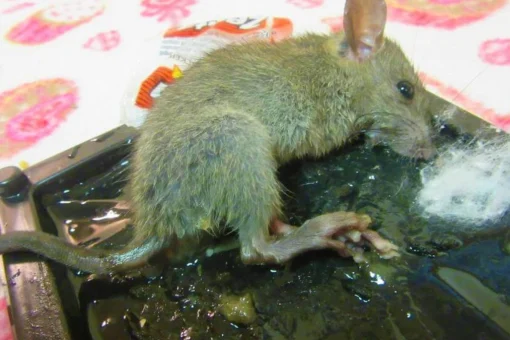
“Glue traps permanently disable, injure, and kill countless mice, birds, lizards, bats, squirrels, snakes, and all sorts of other animals every single year,” Shaw said.
Animals caught in glue traps can break bones or chew off limbs trying to escape, Shaw said. He said those that do not die from the struggle can die slowly from starvation, dehydration or asphyxiation. He said the glue blocks their nostrils and mouths.
Shaw cited a 2014 report finding 85% of mice were alive 24 hours after getting caught in a glue trap. The finding was based on data from several studies on the devices, according to the Daily Lobo.
Albuquerque joins seven U.S. cities, including Ann Arbor, Michigan, in banning glue traps, Shaw said. Countries such as England, Germany and New Zealand have also banned the traps. He said PETA has pressed Target, Dollar General, Dollar Tree, CVS and Walgreens to stop selling the traps nationwide.
Health risk tied to hantavirus
Shaw said glue traps also raise health risks for people. He said trapped rodents panic and often urinate and defecate on the devices.
That buildup can spread hantavirus, Shaw said. The Centers for Disease Control and Prevention warns the disease can come from rodent droppings and urine. New Mexico has led the nation in reported hantavirus cases since 2023, according to the CDC.
Shaw told residents to use catch-and-release traps instead. He said sealing entry points and removing food sources that attract rodents can help. This avoids what he called an “endless cycle of buying traps” and killing animals.
Fiebelkorn said she has gotten positive feedback from residents since the glue trap ban passed.
“I have real strong beliefs that we should not be engaging in any form of animal cruelty,” Fiebelkorn said. “I don’t believe anyone can make the argument that glue traps for vertebrate animals is not animal cruelty.”
The glue trap ban now awaits the mayor’s signature after clearing the City Council on Nov. 16, the Daily Lobo reported.