Listen


 Facebook
 Nextdoor
 X
 WhatsApp
 Email
 Copy link


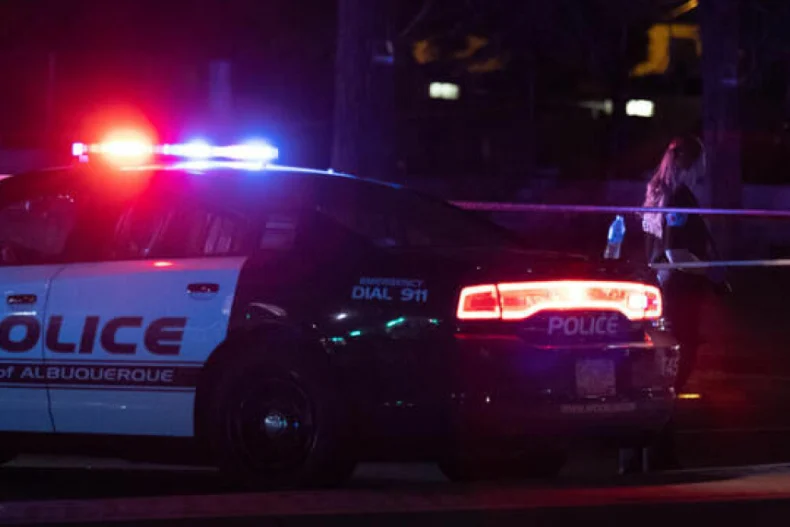
Albuquerque is seeking more than $153 million from the Drug Enforcement Administration, the city said. City officials say agency tactics let fentanyl pills reach city streets. That drove up costs for health care, policing and cleanup.
The city filed an administrative claim under the Federal Tort Claims Act on Thursday. It sought $153,483,915.24, according to the Albuquerque Journal. City Attorney Joshua Boone said the filing puts the DEA on notice that the city may sue, KOAT reported.
The claim alleges the DEA allowed hundreds of thousands of fentanyl pills into Albuquerque. The agency did this while building cases against drug traffickers, according to KOAT.
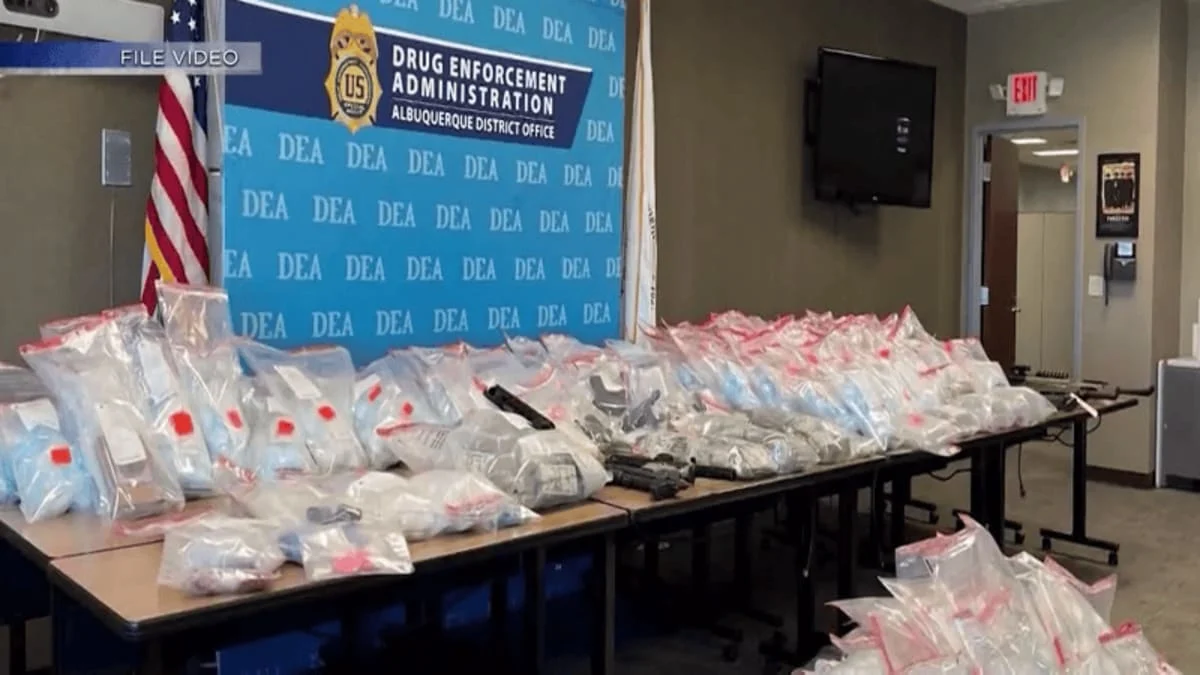
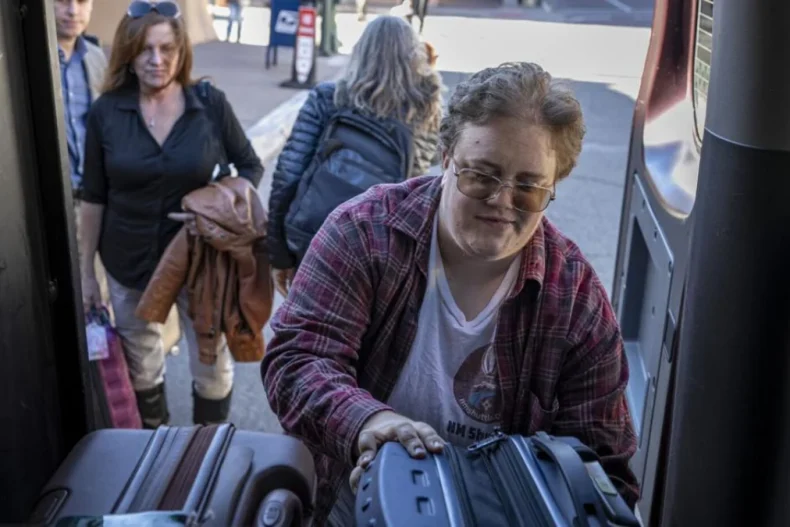
KOB reported the allegations trace to DEA Special Agent David Howell, who spoke to the station. Howell said the agency let more than 1 million fentanyl pills into the city as part of investigations targeting suspects.
What the city wants fentanyl money to cover
Boone said the city built its damage estimate from several data sources. These included fentanyl possession and trafficking cases, lab testing and municipal cleanup costs, KOAT reported. The claimed damages include $106.2 million for health, housing, homelessness and public health response, according to KOB.
They also include $29.9 million for Albuquerque Fire Rescue overdose response. Another $9.7 million would cover Solid Waste Management cleanup and property damage, KOB reported.
The claim also seeks $7 million for Albuquerque Police Department officer response and $631,000 for APD forensic testing, KOB reported.
“It wasn’t a number that we just pulled out of the sky,” Boone said. “It was based on actual numbers and data,” he told KOB.
Boone acknowledged it is hard to tie specific overdoses to the alleged fentanyl shipments. “It’s hard to link specific cases to the fentanyl being allowed to walk,” Boone said, according to KOAT. “What you’re seeing with this notice is that in general and across the board, there was a spike,” he said.
The city cited New Mexico Department of Health data on overdose deaths, KOB reported. The data showed the state’s projected 2025 overdose death rate was 46.4 per 100,000 residents. That is more than twice the national rate of 20.0.
Predicted overdose deaths in New Mexico rose 38.3% from May 2025 to May 2026, while falling 11.5% nationwide. Statewide emergency room visits tied to overdoses rose about 20% from 2024 to 2025, according to KOB.
Mayor says fentanyl funds would expand treatment
Mayor Keller posted a video on social media about the issue. He said federal tactics dumped millions of fentanyl pills into the city, KRQE reported.
“We learned over the summer that our federal government terribly dumped millions of fentanyl pills into our city as part of an experiment for crime fighting. It was a terrible, terrifying act,” Keller said.
Keller called a facility “the recovery gateway” in the video, KRQE reported.
“This is where hundreds of people have already received the treatment that they need and the care for addiction,” Keller said. “So that they can live on their own and also so they can be housed.”
He made those remarks in comments reported by KRQE. “With those kinds of dollars, we can actually build at least several more of these facilities,” he said.
Boone said the mayor’s office and City Council would decide how to spend any money the city recovers, KOAT reported.
What happens next in the fentanyl claim
Boone said Albuquerque had not spoken directly with Howell about his allegations, according to KOAT. The DEA has not responded to requests for comment from KOAT or KOB.
Under federal law, the DEA has six months to respond. After that, the city can treat the claim as denied and move forward with a lawsuit, KOB reported. Boone said it was too early to estimate what a lawsuit would cost taxpayers, according to KOAT.
University of New Mexico School of Law professor Joshua Katsenberg spoke with KOB about the case. He said the federal government’s best defense would be arguing the city already had widespread addiction before the alleged shipments.
Katsenberg also said tort claims typically cover people or property directly harmed. That could make the city’s case for department costs harder to prove, KOB reported.
New Mexico Attorney General Raúl Torrez has separately sued the federal government for access to fentanyl-related records, according to KOB. Gov. Michelle Lujan Grisham had asked Torrez to investigate DEA agents over the whistleblower allegations, KOB reported.