Listen


 Facebook
 Nextdoor
 X
 WhatsApp
 Email
 Copy link

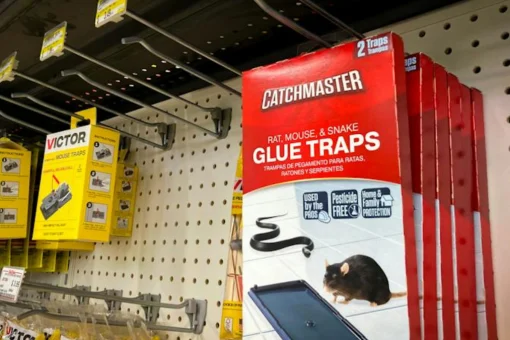
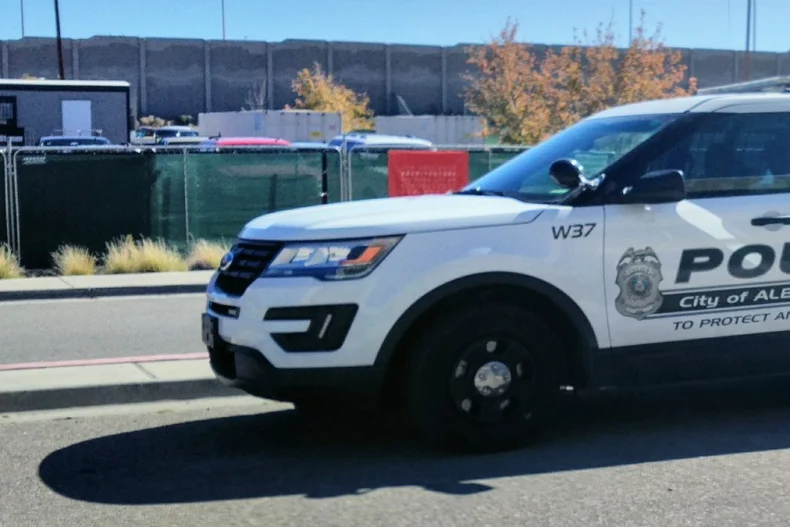
Albuquerque City Council voted unanimously on Nov. 16 to ban glue traps in the city, the city said.
What was decided
- District 7 Councilor Tammy Fiebelkorn and District 1 Councilor Stephanie Telles co-sponsored Ordinance O-26-62, the city said.
- The ordinance amends the Humane and Ethical Animal Rules and Treatment (HEART) Ordinance to ban the use and sale of glue traps.
- Use of the banned devices counts as animal cruelty under city law.
- Albuquerque is the largest city in the United States to pass an adhesive trap ban.
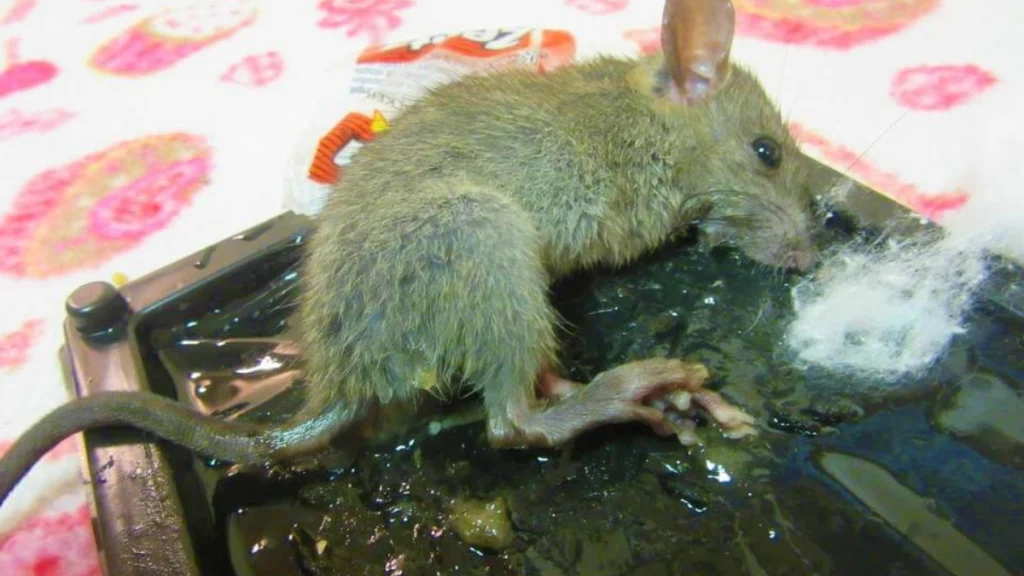
Glue traps are widely recognized as one of the cruelest methods of pest control, the city said. Animals caught on them can suffer for hours or days before they die.
They can die of exhaustion or dehydration while trying to escape, the city said. Self-inflicted injury while trying to escape can also kill them.
Companion animals and wildlife can get caught, the city said. Birds can get caught as well.
“Glue traps are cruel, and cruelty is not welcome in Albuquerque,” Fiebelkorn said, according to the city.
The ordinance reinforces the city’s commitment to protecting animals from acts that cause unnecessary pain or suffering, the city said.
Fiebelkorn urged the rest of the country to follow the lead of cities and countries that have ended the abuse, the city said.
Trapped animals urinate and defecate excessively as they struggle, the city said. That raises the risk of zoonotic disease transmission, including Hantavirus. The CDC and the New Mexico Department of Health’s Infectious Disease Epidemiology Bureau explicitly recommend against the use of glue traps.
More than 180 species have been caught
Members of more than 180 species were caught in glue traps from 2014 to 2024. They were taken to wildlife hospitals for lifesaving care, the city said, citing data collected by WILD-ONe.
Those animals included hummingbirds, rabbits, songbirds, birds of prey, owls, bats and companion animals, the city said. Glue traps pose a particular risk to endangered species. Many of the animals caught also act as natural pest control, and removing them can increase rodent and insect populations.
PETA said it worked with Fiebelkorn to advance the measure. The council heard from PETA and dozens of concerned citizens before the vote. Doctors and wildlife rehabilitators were also heard.
Glue traps cause animals to panic and struggle, PETA said. They sometimes tear skin or chew off limbs before dying from starvation, dehydration, suffocation or blood loss. They fail to provide a long term solution, as more animals move in when food remains accessible and entry points remain unsealed.
A Cooper’s hawk was brought to an Albuquerque-based wildlife rehabilitator last month after getting stuck to a glue trap, PETA said. It died despite days of intensive care.
PETA said the traps also ensnare lizards and snakes. Hawks can get caught as well, and owls and hawks naturally help control rodent populations.
“There is no place for indiscriminate cruelty in modern pest management,” Telles said, according to the city.
“Banning glue traps protects public health, but ending this cruel murder is why I fought so hard for it,” Fiebelkorn said, according to PETA.
Albuquerque joins a growing list of cities across California and Michigan that have banned glue traps, PETA said. England and Germany have also banned the devices. New Zealand has also banned them.
CVS and Target have stopped selling glue traps, PETA said. Walgreens has also stopped selling glue traps.
City buildings face a stricter rule
The ordinance goes farther for city facilities by banning insect adhesive traps there, the city said. The need for the rule was underscored in 2025 when an escaped mole rat at the ABQ BioPark was caught in a glue trap. It survived only because it was discovered in time.
The ordinance removes the devices from local store shelves and neighborhoods, the city said.